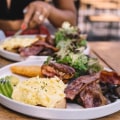
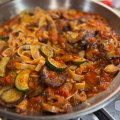
Look, there's a type of hunger that has zero to do with your stomach. It's what eats at you when you realize nobody's checked in for three days. When the person dropping off your groceries is literally the only voice you'll hear all week. When you're standing on a corner holding a sign that people seem to look straight through. That's loneliness, you know? And here's what I've learned—actual warm food, the kind someone made with care, turns out to be one of the fastest ways back to feeling like you matter.
So tukr box® isn't out here trying to end world hunger or whatever. What they're doing is way simpler, maybe even more radical if you think about it: they're making it dead simple for regular folks to cook an extra portion and hand it to someone who really needs to know they're not forgotten. The whole thing works because there's no excuses left, no barriers. You're not assembling fifty care packages or coordinating with charities. You're just making pasta. Twice.
What Happens When People Are Forgotten
The numbers are pretty stark. Studies show anywhere from 25 to 90 percent of homeless people deal with serious isolation and loneliness—depends which research you're looking at. For older folks, about one in four Americans over 65 are socially isolated. Get this: nearly half of single homeless adults are 50 or older now. So these aren't separate problems anymore, they're crashing together and making everything worse.
Loneliness isn't just unpleasant, by the way. It kills people. Research links chronic loneliness to death rates that match smoking or high blood pressure. In homeless populations, you see more substance abuse, higher depression and anxiety, suicide attempts that happen more often, cognitive decline that speeds up. Researchers talked to older homeless adults and heard about trauma you can barely imagine—guns pulled, people held at gunpoint in their own tents, using cocaine just to numb the physical pain and the terror. One person tried to kill themselves partly because the loneliness made the addiction and depression so unbearable, then got kicked out of their place because the landlord didn't want to find them dead.
For elderly neighbors living alone, it's quieter but just as damaging. They're alone more than any other age group. Losing a spouse, retiring, mobility declining, hearing going—all the normal aging stuff gradually cuts people off. Days pass without real human contact for a lot of them. Some folks say the grocery delivery person is their only interaction all week. The isolation spirals into depression, heart disease, memory problems, and way higher healthcare costs because they end up in ERs more and stay hospitalized longer.
Here's the thing about chronic loneliness that's tough to explain if you haven't lived it—it creates this vicious circle. You feel isolated, so you pull back more. You pull back, you get more isolated. The longer this goes, the harder it gets to imagine anyone actually caring enough to reach out. You start believing you're forgettable, that whether you're here or not doesn't matter to a single person. That's when the serious damage happens—when loneliness stops being your situation and starts becoming who you are.
Why a Warm Meal Changes Everything
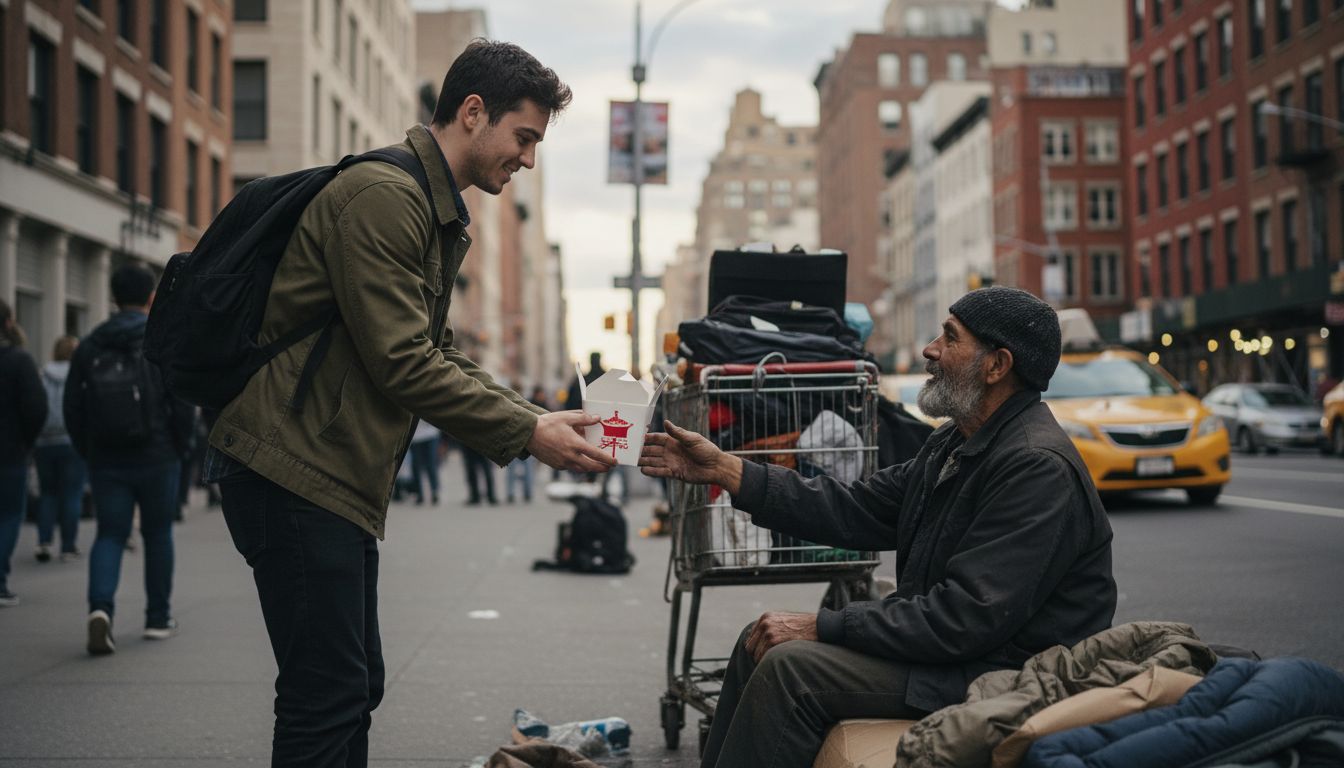
This is where food becomes something almost magical, honestly. When you hand someone cash, the moment ends right there. Thanks, bye, good luck. But when you hand them a warm meal—something you literally just cooked, still hot, smells amazing, food you'd eat yourself? Everything shifts.
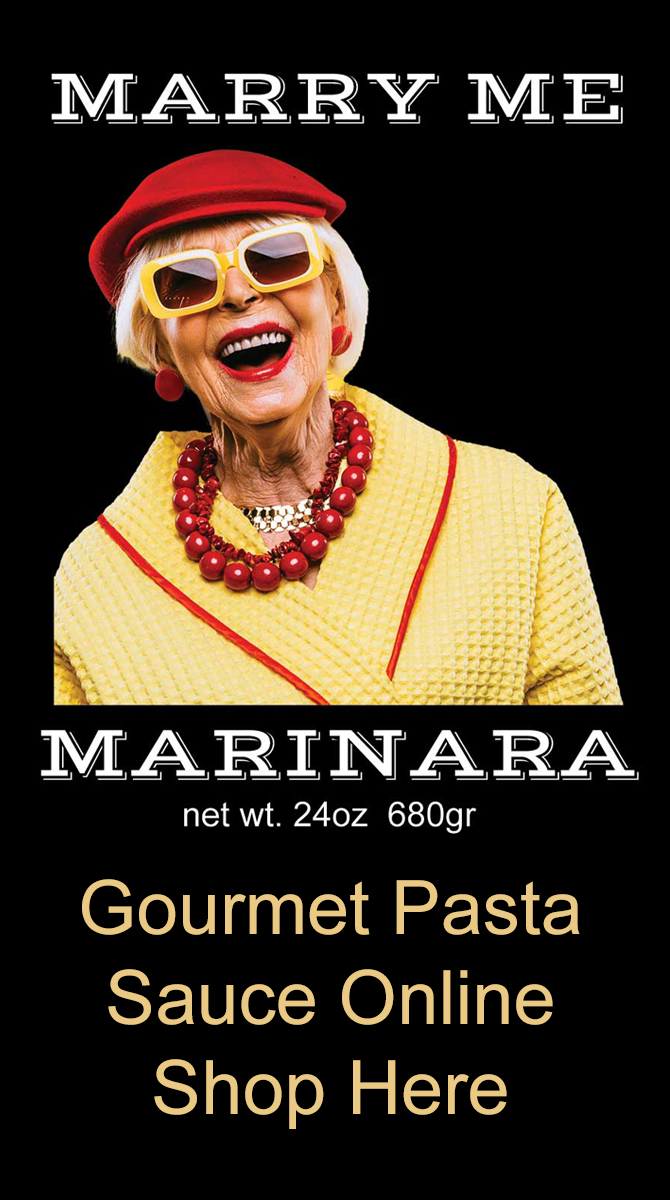
First off, there's dignity in it. tukr box meal sharing kits for the homeless come with premium Marry Me Marinara sauce and quality pasta. Not cafeteria food that's been under heat lamps. Not your fridge leftovers you were going to toss. Not some granola bar from a care kit that's been sitting in your car for weeks. Real gourmet stuff that you're cooking for your own family. That message lands immediately: you deserve the same quality I'm feeding the people I love. You're worth good things.
Second, you can't really hand someone hot pasta without some human moment happening. Maybe it's just eye contact and a quick smile. Maybe you exchange names. Maybe there's a brief chat. Whatever it is, it's real. It's not filtered through institutions or paperwork. It's one person acknowledging another person exists and has value. When you've been invisible for days or weeks, that moment of being seen matters more than I can really explain.
Third, food itself carries meaning. Every culture everywhere gathers around meals, right? We've done this for thousands of years—not just to eat, but to connect. Sharing food says something words can't quite nail down. It says "you're part of the community." It breaks down these fake walls between people who seem to have it together and people who are struggling, because everyone eats, everyone gets what a good meal means, everyone knows how it feels to sit down to food someone cared enough to make.
Research on homeless folks found that a lot of relationships during homelessness get built around survival—sharing food, shelter, safety—not emotional connection. Makes sense when you're in crisis mode. But tukr box® shifts that dynamic a bit. The person sharing the meal isn't homeless themselves, isn't fighting for the same resources, isn't transactional about it. They're just a neighbor who made extra. That moves the interaction from pure survival toward something closer to an actual relationship.
How tukr box Makes It Dead Simple
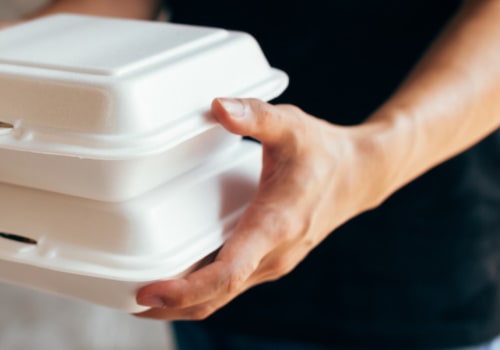
What works about tukr box® is how ridiculously easy they've made everything. Each kit has what you need for a gourmet pasta meal for yourself plus a second complete serving to share. The double kit comes with two 24-ounce jars of Marry Me Marinara, two boxes of penne, two to-go containers, forks. You're not shopping around, not planning menus, not wondering if what you're making is appropriate. They handled all that thinking already.
The steps? Buy a kit. Cook a meal for your family. Put an identical portion in the container they give you. Share it with someone who needs it—maybe that veteran you see on your commute, the elderly neighbor living alone, someone at a shelter, whoever. The whole process takes about as long as making dinner normally does because you're literally just making extra.
This matters because most people want to help but have no clue where to start. The barriers between wanting to do something and actually doing it are real. What do homeless people even need? What if I give them the wrong thing? What if I somehow make things worse? What if it's awkward as hell? What if they don't want help? tukr box® wipes out all those questions. You're sharing a meal. That's it. Everybody understands food. Nobody's going to be offended by someone offering them dinner they just made.
The Marry Me Marinara partnership adds another angle too—every jar they sell, one meal gets donated to community food programs. It's baked into how they do business, not some marketing add-on. So even buying the sauce separately helps feed veterans dealing with homelessness, isolated elderly folks, hospitality workers trying to rebuild. The system basically multiplies itself.
The Elderly Crisis Nobody Talks About
Homelessness gets attention, but elderly isolation? That's happening behind closed doors everywhere. Something like 13.8 million older Americans live alone, and sure, not all of them are lonely, but a huge chunk report chronic disconnection. The National Poll on Healthy Aging found 34 percent of adults 50-80 felt isolated from others at least sometimes.
Helping elderly neighbors doesn't need special training or institutions. Sometimes it's literally knocking on a door with a container of pasta. One person using tukr box®, Mathilda from Wilmington, shared a meal with her neighbor in her eighties and called it "what a gift" and "what a joy"—not "I did my good deed," but recognizing the connection was a gift both ways.
Another user, Kim in Baltimore, made it a teaching thing with her kids. They cooked together, brought a meal to their elderly neighbor living alone, and the neighbor was overwhelmed. But honestly, the bigger thing is Kim's kids learned something that'll stick with them—that caring for others isn't optional or extra, it's just how you build a decent world. They learned the lady next door isn't "some old person," she's a human being who needs connection same as everyone.
The research on elderly loneliness is honestly grim. Isolation cranks up risks for heart disease, stroke, dementia, depression, early death. Lonely seniors use healthcare way more, stay in hospitals longer, get readmitted more often. The Surgeon General called it an epidemic. WHO set up an entire commission on social connection as a global health priority because around 11.8 percent of older people worldwide experience loneliness.
But here's the thing—the solution doesn't need massive government programs or medical interventions. Often it just needs someone remembering you exist. A phone call makes a measurable difference. A shared meal even more. Meals on Wheels volunteers say for tons of their clients, they're the only person that client sees all day. That volunteer with a meal is the only proof anyone noticed whether they're okay.
Community Care Instead of Institutional Charity
tukr box® calls itself a "human-centric working brand," which basically means everything starts with one question: what would honor everybody's humanity here? That's different from traditional charity that often creates these one-way relationships—giver and receiver, helper and helped, the fortunate and the not-so-fortunate. Those labels just keep people separated.
The way tukr box® sees it, when you cook and share a meal, you're not "helping the homeless." You're inviting someone into community. You're saying circumstances separate us, sure, but our humanity connects us. You're building the kind of neighborhood where people actually look out for each other.
They structure it as "for zero profit"—they're a for-profit company but commit 90 percent of everything directly to the mission of sharing meals with people who need them most. Their argument is that for-profit structures, done right, handle money better than a lot of traditional nonprofits that blow significant chunks on offices and inflated executive pay. The other 10 percent covers bare minimum operational costs. It's a business model built around impact, not shareholder returns.
Beyond the meal kits, tukr box® runs as a platform where you can join groups, go to organized meal events, access training on food insecurity and homelessness, connect with other volunteers who care about similar stuff. The kits get you started; the platform helps you keep going.
How One Meal Creates Ripples
Every tukr box® meal creates these ripple effects that are tough to measure but easy to see once you're paying attention. For the person cooking, there's real satisfaction from doing something concrete. Not just thinking about helping or feeling guilty about poverty—actually taking action. Research consistently shows helping others makes you happier, lowers stress, improves mental health. The boost is strongest when the help is personal and direct, not filtered through institutions.
For whoever gets the meal, yeah there's food and that obviously matters when you're hungry. But there's also this warmth (physical and emotional), the surprise of getting something made with care, the reminder that someone out there sees you and values you. Research on homeless populations found poor mental health drives loneliness, but moments of connection can break that cycle. A neighbor's meal isn't therapy, but it's solid evidence you haven't been totally forgotten.

For families with kids involved, the kids watch their parents cook and share. They learn helping others isn't separate from regular life—it's woven in. They see people struggling with homelessness or isolation are just people, deserving the same thoughtfulness you give friends and family. Those lessons compound over time into how they understand community responsibility.
In neighborhoods where multiple people regularly share tukr box® meals, the culture actually changes. That veteran on the corner has a name now—Tom, served in Iraq. The elderly woman next door isn't "some old lady"—she's Margaret, hasn't had a visitor in months. The family at the shelter? The Johnsons, both working two jobs trying to get back on their feet. They stop being problems or statistics. They become your people, your neighbors, your community.
Mark from Long Island bought several kits and started sharing with homeless men in his area. What began as handing over food became conversations, then friendships. He said it let him "engage meaningfully"—not from a distance, not playing savior, but person to person. He knows their names now, their stories, what they're struggling with and hoping for. Those relationships wouldn't exist without the initial excuse of sharing a meal.
The Practical Stuff: What Actually Works
Getting started is straightforward but I'd say there's some stuff worth knowing. Timing matters, honestly. The hotter the meal when you share it, the bigger the impact. Hot food communicates care in ways room temperature doesn't. If you're driving somewhere to hand it off, maybe grab an insulated container to keep it warm.
Consistency beats big one-time gestures. One meal helps one person once. But sharing regularly—weekly, every other week, monthly, whatever works for you—that builds real relationships. The veteran on the corner starts expecting you Thursdays. The elderly neighbor knows you'll check in. People start counting on that predictability, which is huge when life feels chaotic.
Respect matters as much as the food. Eye contact if they're okay with it. Using names if you know them. Quick chat if they seem open, respectful quiet if they don't. Some people dealing with homelessness or isolation have been burned too many times by interactions that started kind then got judgmental or weird. Others have trauma that makes direct interaction hard. Read the room, follow their lead, don't push.
Don't overthink it. Common worries: What if they don't like pasta? Almost everyone likes pasta. What if they have dietary restrictions? Pasta and marinara are vegetarian, pretty allergen-friendly, easy to eat. What if I don't know who to give it to? Start with someone you see regularly—you probably already know who in your world could use this.
Avoid the obvious pitfalls. Don't photograph people without asking—documenting your "good deed" is dehumanizing. Don't attach strings or conditions to the meal. Don't use the moment to preach or push agendas. Just share the food, have the human moment, move on. The simplicity is kind of the whole point.
There's legal protection too, for anyone worried about liability. The Bill Emerson Good Samaritan Food Donation Act protects people who donate wholesome food in good faith. You don't need nonprofit status. Homemade food counts. Nobody has to sign anything. Long as the food seems wholesome (not spoiled or obviously unsafe) and you're acting in good faith, you're protected unless you're grossly negligent or intentionally harmful.
Why Ordinary People Matter Most Right Now
Both homeless and elderly populations are aging. Forty-eight percent of single homeless adults are 50-plus now, meaning these aren't separate crises—they're smashing together. Older adults dealing with homelessness face compounding vulnerabilities: street trauma, health problems, cognitive decline, isolation, mental health challenges. One study found one in five homeless people report having zero friends. Zero.
Meanwhile, a quarter of Americans 65 and up are socially isolated, with many saying they feel nobody would miss them if they vanished. The pandemic made everything dramatically worse. Older adults saw physical and cognitive decline during COVID isolation, and even though restrictions lifted, tons of people never rebuilt their social networks. The loneliness just got normalized somehow.
Government programs, healthcare, nonprofits—all that helps and needs to continue. But it's never going to be enough because institutions can't replicate the specific experience of a neighbor caring whether you're okay. They can't manufacture that moment when someone hands you food they literally just cooked and looks at you like you're a person worth seeing.
That's where tukr box meal sharing kits for the homeless and elderly become quietly revolutionary, you know? They're not claiming to fix systemic problems. They're not pitching themselves as the answer to poverty or aging or the massive structural stuff that creates homelessness and isolation. They're just making it stupidly easy for ordinary people to share a meal with someone who desperately needs that connection. And when enough regular folks do that, when it stops being unusual for neighbors to look out for each other, when community care becomes normal instead of exceptional—that's when culture shifts for real.
The bigger vision for tukr box® is creating a world where sharing meals with neighbors, strangers, people who are struggling just isn't noteworthy. Where it's what people do. Where dropping pasta off for the elderly woman living alone next door is as routine as taking out trash. Where that veteran on your commute isn't invisible but someone you know by name and check in with regularly.
It Starts With Just One Meal
If you've read this far, something's probably clicking for you. Maybe you've wanted to help but had no idea how. Maybe you tried traditional charity and it felt hollow. Maybe you're just exhausted by how cold and disconnected the world feels and you want to push back against that somehow.
Here's what I keep coming back to: it doesn't require quitting your job or making huge commitments. Doesn't need special training or institutional whatever. It needs you buying pasta and sauce, cooking dinner, and sharing it. That's literally it.
Order one tukr box® kit. Cook it. Share it. Watch what happens when you hand that meal to someone. Notice their face. Notice whether there's conversation or just comfortable quiet. Notice how you feel after—not right away necessarily, but hours later, days later, when that moment comes back to you. You'll probably find that once you experience that connection, you'll want to do it again.
Not because anyone made you feel guilty or because you're checking some moral obligation box, but because actual human connection stands out in a world of digital everything and transactional relationships. Because watching someone's face light up when they realize you cooked them real food is a specific type of good that's hard to replicate. Because building community one meal at a time turns out to be both simpler and more profound than most solutions we've been sold.
The meals themselves? They're just tools. The real work is cultural change—building a world where everyone eats together, where nobody gets forgotten, where loneliness gets interrupted by neighbors who notice and give a damn. Where helping elderly neighbors isn't some exceptional thing, where community care for homeless folks is just how neighborhoods work. Where the fake separation between "us" and "them" dissolves into recognizing we're all just people doing our best and sometimes needing someone to remember we exist.
That world doesn't need massive programs or policy overhauls or institutional reform—though sure, all that helps. It needs individuals choosing connection over isolation, choosing to actually see the people around them, choosing to cook an extra serving and share it with someone who needs to know they still matter. It needs people like you deciding those few extra minutes to pack a second meal are worth it for the human connection waiting on the other side.
tukr box® makes that choice about as easy as it gets. What you do with it? That's on you.